Choosing the right motor-driven drum pump can be a little tricky, especially if this is your first time comparing different models and configurations. This guide breaks everything down in a simple, practical way so you know exactly what matters, what to compare, and how to choose a pump that truly fits your industry needs. You’ll also find a helpful internal reference to the Motorized Barrel Pump, which can give you a clearer idea of the available options as you evaluate different systems.
Table of Contents
ToggleWhy Motor-Driven Drum Pumps Matter
If your workplace involves handling oils, chemicals, lubricants, or any sort of liquid packed in drums, relying on manual tools isn’t ideal. Manual transfer is slower and physically tiring, and increases the chance of spills or worker strain.
A motor-driven system improves
- Transfer speed
- Flow consistency
- Operational safety
- Contamination control
- Overall productivity
In short, these pumps reduce effort while increasing output — which is why so many industries rely on them every day.
How Motor-Driven Drum Pumps Work
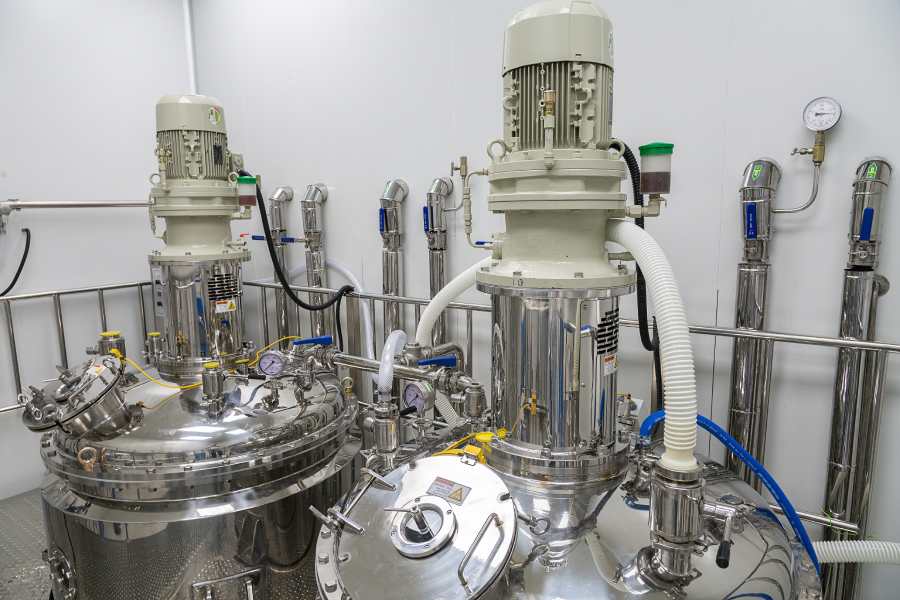
These pumps operate on a simple but effective mechanism. A long tube reaches into a drum or barrel while a motor sits on top. Inside the tube, a rotating shaft powered by the motor drives an impeller that lifts the liquid upward through the discharge port.
Most models let you detach the motor and switch tubes as needed. This is especially helpful if you work with different fluids that require different materials.
Key Factors to Consider Before Buying a Drum Pump
Before you make a purchase, here are the most important things to check.
1. Material Compatibility
The pump material needs to match the type of liquid you’re moving. Incorrect materials can react with the fluid, cause corrosion, and shorten equipment life.
Common tube materials include
- Polypropylene (PP): Good for mild acids and chemicals
- PVDF: Best for highly corrosive chemicals
- Stainless Steel: Ideal for oils, solvents, and neutral liquids
- Aluminum: Lightweight and used for non-corrosive liquids
Always check your chemical safety data sheet before choosing.
2. Motor Type
You’ll usually find two major motor categories
- Electric motors: AC or DC; steady performance; great for workshops
- Air motors: Safe in hazardous areas; no sparks; ideal for volatile chemicals
Pick a motor that fits your working environment. For example, explosive environments require air motors or explosion-proof electric models.
3. Viscosity Handling
Not all pumps can handle thicker fluids. If you’re working with lubricants, heavy oils, or additives, look closely at the pump’s viscosity rating.
Make sure the pump supports
- Your liquid’s viscosity level
- Expected flow rate
- Temperature conditions (since viscosity changes with temperature)
Higher viscosity requires a stronger motor and sometimes a different impeller design.
4. Flow Rate Requirements
The right flow rate boosts productivity without causing splashing or foam.
Check for
- Maximum LPM output
- Flow rate consistency
- Flow performance across different viscosities
If you transfer many drums per day, a higher flow rate saves time.
5. Tube Length
Drum pumps come in various lengths to fit different containers:
- 700 mm for smaller drums
- 1000 mm for standard drums
- 1200 mm for deeper containers
Measure your drum dimensions before buying so the pump reaches the bottom properly.
6. Safety Features
Good safety design reduces risks, especially when working with chemicals.
Look for pumps with
- Seal protection
- Anti-drip spouts
- Thermal overload protection
- Explosion-proof motor options
- Proper grounding points
- Enclosed switch housings
These features prevent accidents and extend pump life.
Comparing Motor Options: Electric vs Air
Here’s a clearer comparison to help you choose.
Electric Motors
Best for: Workshops, garages, oil handling, everyday chemical transfer.
Advantages
- Simple to operate
- Continuous and steady output
- Good for medium- to high-viscosity fluids
- Affordable to run
Limitations
- Not suitable for explosive environments unless certified
- Requires power access
Air Motors
Best for: Hazardous industrial settings.
Advantages
- No sparks
- Excellent for flammable liquid transfer
- Lightweight and portable
- Low maintenance
Limitations
- Requires consistent air supply
- Higher operating cost
- Noise levels may vary
Common Applications Across Multiple Industries
Motor-driven drum pumps play a major role in several industries because of their reliability and versatility.
Industries that rely on these pumps include
- Automotive maintenance
- Chemical processing
- Agriculture
- Pharmaceuticals
- Food and beverage (with appropriate sanitary models)
- Waste treatment
- Manufacturing and lubrication systems
Wherever liquids are stored in drums, these pumps become essential tools.
Safety Tips You Shouldn’t Ignore
A few simple precautions make a big difference
- Never run a pump dry — it damages the shaft and impeller
- Ground the pump when handling fuels or solvents
- Wear gloves, goggles, and protective gear
- Avoid mixing pump tubes across incompatible chemicals
- Maintain proper ventilation in enclosed spaces
Following these practices ensures safe and smooth operations every time.
Pros and Cons of Motor-Driven Drum Pumps
Pros
- Faster transfer compared to manual methods
- Reduces worker strain and improves safety
- Works with a wide variety of liquids
- Supports both low- and high-viscosity applications
- Easy to install and operate
Cons
- Higher upfront cost
- Requires routine cleaning and maintenance
- Some motors need external air supply
- Material-specific tubes may need switching
Expert Tips for First-Time Buyers
Here are a few suggestions to help you choose confidently
- Identify the exact liquid and its chemical profile
- Match pump materials to the liquid type
- Compare power options and operating environments
- Don’t over-prioritize flow rate — balance is key
- Check warranty and service availability
- Buy from trusted manufacturers like Hacop Pumps, known for durable, industrial-grade transfer solutions
Conclusion
Buying a motor-driven drum pump becomes much easier when you understand your liquid type, working environment, and safety needs. When you choose the right material, motor type, and flow specifications, the pump will deliver years of reliable performance while improving workflow efficiency.
If you want to explore reliable, industry-tested options, you can check out the full product range from Hacop Pumps. Their lineup offers durable and performance-focused solutions for both light-duty and heavy industrial use.