Introduction
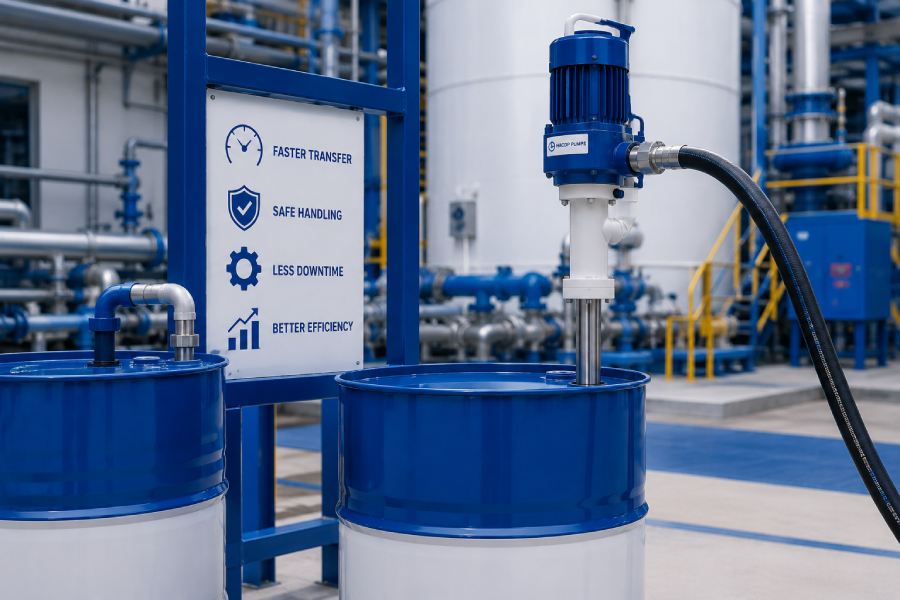
Industrial plants depend on a steady flow of fuel to keep operations running without interruption. Whether powering generators, machinery, construction equipment, or backup systems, efficient fuel movement directly affects productivity, operating costs, and equipment reliability. Investing in the right pumping system is one of the smartest ways to improve daily operations. Choosing a reliable Diesel Barrel Pump helps businesses transfer fuel safely, reduce waste, and maintain consistent performance across industrial applications.
In this guide, you will learn practical strategies to improve fuel transfer efficiency, reduce maintenance costs, increase equipment reliability, and build a safer fuel handling process for long term industrial success.
Why Fuel Transfer Efficiency Matters
Fuel is one of the largest operational expenses for many industries. Every unnecessary spill, delay, or inefficient transfer increases operating costs. While businesses often focus on fuel prices, they sometimes overlook how much money is lost through inefficient handling practices.
Improving transfer efficiency offers several advantages.
- Lower fuel wastage
- Faster equipment refueling
- Reduced maintenance expenses
- Better workplace safety
- Improved operational productivity
- Longer equipment lifespan
When fuel moves smoothly from storage to equipment, every part of the operation becomes more reliable.
Common Causes of Fuel Transfer Inefficiency
Many industrial facilities unknowingly lose efficiency because of outdated equipment or poor maintenance practices.
Some common issues include
-
Worn Out Pumps
Old pumps often lose flow capacity over time. Internal wear can reduce pumping performance and increase transfer time.
-
Poor Pipe Design
Long piping routes, unnecessary bends, and undersized hoses increase resistance and reduce overall flow.
-
Air Leaks
Small leaks in suction lines may introduce air into the system, reducing pump performance and causing inconsistent fuel delivery.
-
Contaminated Fuel
Dust, moisture, and debris affect transfer performance while increasing maintenance requirements.
-
Lack of Preventive Maintenance
Ignoring routine inspections often results in unexpected breakdowns and costly downtime.
Identifying these issues early helps prevent larger operational problems.
Choose the Right Pump for the Job
Selecting the correct Fuel Transfer Pump plays a major role in improving operational efficiency.
Different industries have different fuel handling requirements. Factors such as fuel type, transfer distance, viscosity, required flow rate, and operating environment all influence equipment selection.
A quality pump should provide
- Stable flow performance
- Reliable operation
- Easy maintenance
- Leak resistant construction
- Compatibility with multiple fuel types
- Long service life
Instead of choosing equipment based solely on purchase price, evaluate long term operating costs and maintenance requirements.
Optimize Your Fuel Storage Layout
Efficient fuel transfer begins with proper facility design.
Storage tanks should be positioned to minimize transfer distance whenever possible. Reducing unnecessary pipe length lowers resistance and improves pumping efficiency.
Consider these improvements.
-
Position Equipment Strategically
Locate storage tanks close to high usage areas to reduce transfer time.
-
Reduce Pipe Restrictions
Minimize elbows, valves, and sharp bends that restrict fuel flow.
-
Use Proper Pipe Sizing
Correct pipe diameter allows fuel to move smoothly without excessive pressure loss.
-
Maintain Easy Access
Well designed layouts simplify maintenance, inspections, and emergency response.
Even small layout improvements can produce noticeable gains in efficiency.
Reduce Downtime with Preventive Maintenance
Preventive maintenance protects equipment while improving overall performance.
Rather than waiting for failures, establish a maintenance schedule that includes regular inspections.
Routine tasks include
- Checking seals
- Inspecting hoses
- Cleaning strainers
- Replacing worn components
- Lubricating moving parts
- Inspecting electrical connections
- Testing pump performance
Documenting maintenance activities also helps identify recurring issues before they become expensive repairs.
Improve Pump Performance Through Proper Installation
Even high quality equipment cannot perform efficiently if installed incorrectly.
Installation should always follow manufacturer recommendations.
Important installation considerations include
-
Stable Mounting
Secure mounting reduces vibration and extends equipment life.
-
Proper Alignment
Misalignment increases wear and energy consumption.
-
Correct Electrical Connections
Reliable electrical installation protects motors from premature failure.
-
Adequate Ventilation
Proper airflow prevents overheating during continuous operation.
Professional installation often delivers better long term performance than attempting shortcuts.
Train Operators for Better Fuel Handling
Technology alone cannot solve every efficiency challenge.
Well trained operators contribute significantly to improved fuel management.
Training programs should include
- Safe operating procedures
- Equipment inspection techniques
- Spill prevention methods
- Emergency shutdown procedures
- Basic troubleshooting
- Daily maintenance checks
Employees who understand equipment operation are more likely to detect problems before they become serious.
Monitor Fuel Consumption and Transfer Performance
Data driven maintenance improves operational efficiency.
Monitoring transfer performance allows facility managers to detect changes before equipment fails.
Useful metrics include
- Transfer time
- Flow consistency
- Energy consumption
- Maintenance frequency
- Fuel losses
- Downtime duration
Comparing historical data helps identify performance trends that require attention.
Modern monitoring systems also improve maintenance planning.
Adopt Smart Automation for Better Control
Industrial automation continues to improve fuel management across many sectors.
Automatic monitoring systems reduce manual errors while improving operational consistency.
Modern fuel transfer systems may include
- Digital flow measurement
- Automatic shut off controls
- Level monitoring
- Remote performance monitoring
- Alarm systems
- Predictive maintenance notifications
Automation also helps improve reporting accuracy for compliance and inventory management.
Improve Overall Industrial Pump Efficiency
Every pumping system should be evaluated as part of the entire operation rather than as an isolated component.
Several practical improvements can significantly enhance Industrial Pump Efficiency.
-
Eliminate Unnecessary Idle Time
Reduce periods where pumps operate without transferring fuel.
-
Replace Worn Components Early
Waiting until complete failure often increases repair costs.
-
Keep Fuel Clean
Clean fuel reduces wear and protects internal pump components.
-
Match Equipment to Operating Conditions
Oversized or undersized pumps rarely operate at peak efficiency.
Small improvements across multiple areas often produce larger long term savings than a single major upgrade.
Invest in Reliable Fuel Transfer Equipment
High quality Fuel Transfer Equipment improves productivity while reducing maintenance expenses.
Reliable equipment offers
- Consistent flow rates
- Better durability
- Improved corrosion resistance
- Lower operating costs
- Longer service intervals
Industrial facilities should evaluate equipment based on expected operating hours rather than initial purchase cost alone.
Long lasting equipment often provides better value over its service life.
Select the Right Industrial Fuel Transfer Pump
Every facility has unique operating requirements.
Choosing an Industrial Fuel Transfer Pump requires evaluating several important factors.
Consider
- Daily fuel volume
- Operating temperature
- Fuel type
- Transfer distance
- Available power supply
- Maintenance accessibility
Consulting experienced equipment specialists can help identify the most suitable solution for long term performance.
Improve Flow Rates Without Sacrificing Safety
Many operations require rapid fuel movement without compromising reliability.
A properly selected High Flow Fuel Transfer Pump supports faster refueling while maintaining controlled operation.
Higher flow rates help
- Reduce equipment downtime
- Increase productivity
- Improve fleet management
- Speed up industrial operations
However, flow capacity should always match system requirements to prevent unnecessary stress on equipment.
Build Long Term Fuel Transfer Solutions
Improving efficiency is not about making one purchase. It involves building complete Fuel Transfer Solutions that support long term operational goals.
An effective strategy includes
- Quality pumping equipment
- Preventive maintenance
- Operator training
- Automated monitoring
- Safe handling procedures
- Regular performance reviews
Combining these practices creates a reliable fuel management system capable of supporting future growth.
Pros and Cons of Modern Fuel Transfer Systems
| Pros | Cons |
|---|---|
| Faster fuel transfer | Higher initial investment |
| Lower fuel wastage | Requires periodic maintenance |
| Improved workplace safety | Professional installation may be recommended |
| Better operational productivity | Staff training is necessary |
| Longer equipment lifespan | Automation increases system complexity |
| Reduced operating costs over time | Some facilities may require infrastructure upgrades |
Conclusion
Improving fuel transfer efficiency is one of the most practical ways to reduce operating costs while increasing productivity across industrial facilities. From selecting reliable equipment to implementing preventive maintenance, operator training, optimized layouts, and automated monitoring, every improvement contributes to smoother daily operations.
Rather than focusing only on short term savings, businesses should adopt a long term approach that emphasizes reliability, safety, and operational consistency. A well planned fuel transfer system not only minimizes waste but also helps extend equipment life and improve overall plant performance.